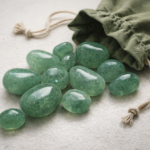

What Is an Aventurine Crystal? Aventurine is a variety of
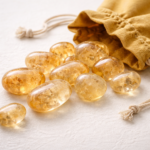
What is Citrine Crystal? Citrine is a popular yellow to
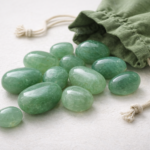
What is Green Jade Crystal? Green Jade, one of the
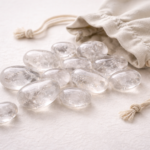
What is Clear Quartz Crystal? Clear Quartz is a master
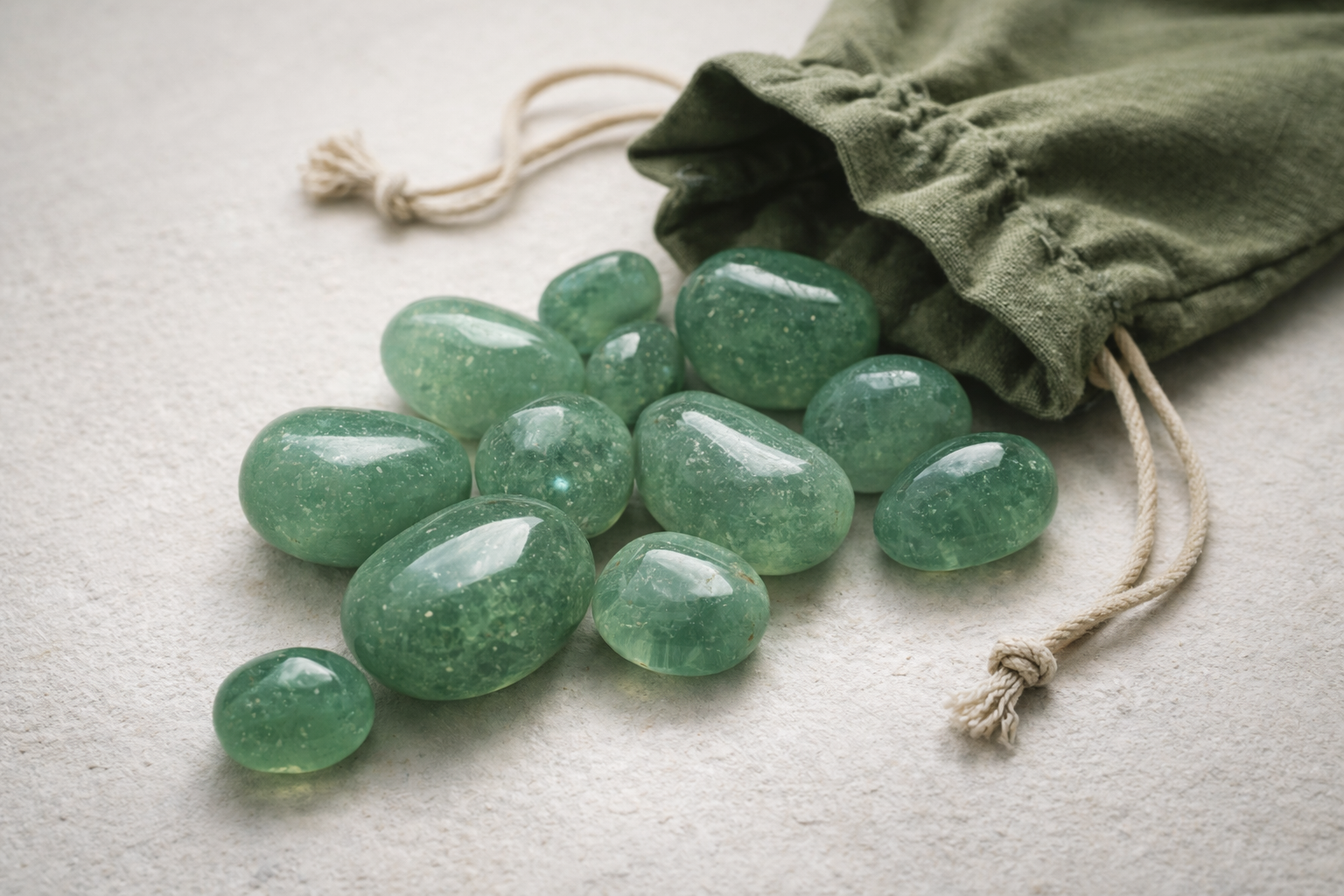
Aventurine is a variety of quartz (silicon dioxide) characterized by its sparkly, glittery appearance, known as aventurescence. This effect is caused by tiny, plate-like mineral inclusions that reflect light. It is primarily known as a metamorphic rock, meaning it formed under heat and pressure.
Types & Color
Green Aventurine: The most common and famous type. Its color comes from green fuchsite (a chromium-rich mica). Often called the “Stone of Opportunity” or the “Gambler’s Stone.”
Blue Aventurine: Colored by inclusions of dumortierite or other blue minerals. Associated with calm, communication, and creativity.
Red or Orange Aventurine: Gets its color from hematite or goethite. Linked to vitality, motivation, and emotional healing.
Yellow Aventurine: Contains muscovite or other minerals. Connected to optimism, confidence, and metabolism.
Aventurine crystal is celebrated in the metaphysical world as the quintessential “Stone of Opportunity.” This title stems from its enduring reputation as a magnet for luck, prosperity, and favorable new beginnings. Characterized by its signature shimmering beauty—most famously in a heartening green hue—Aventurine is believed to do more than just attract chance; it is said to cultivate the confident and optimistic mindset necessary to recognize and boldly seize opportunities when they arise. By promoting a sense of calm and emotional balance, it clears away anxiety and inertia, making room for growth and action. Whether carried as a pocket talisman, worn as jewelry, or placed in a strategic environment, Aventurine serves as a timeless symbol and energetic aid for those looking to invite abundance, welcome serendipity, and open new doors in life’s journey.
Often referred to as a “heart soother,” its gentle yet stabilizing energy is believed to help dissolve long-held patterns of anxiety, worry, and emotional turbulence. By resonating strongly with the heart chakra, Aventurine is said to encourage the release of old hurts, grudges, and irritability, replacing them with a sense of inner peace, resilience, and compassionate understanding. It does not merely sedate emotional pain but actively promotes emotional intelligence—helping one to process feelings without being overwhelmed, to forgive both oneself and others, and to approach life’s challenges with renewed optimism and calm. For those facing stress, grief, or emotional fatigue, Aventurine acts as a supportive, nurturing ally, fostering emotional renewal and a restored sense of joyful well-being. Its energy is often described as that of a comforting, green embrace, making it a cherished stone for emotional recovery and heart-centered healing.
Aventurine is highly regarded in crystal healing traditions for its supportive physical healing properties, believed to promote vitality and general wellness. Often linked to the heart chakra, it is thought to positively influence the circulatory system, supporting heart health and aiding in the regulation of blood pressure. Its calming energy is also said to benefit the nervous system, helping to alleviate stress-related conditions such as tension headaches, insomnia, and general fatigue. Furthermore, Aventurine is considered a powerful ally for the immune system, believed to boost the body’s natural defenses and accelerate recovery from illness. Some practitioners associate its purifying energy with skin health, using it to soothe irritations like eczema and allergies, while also supporting overall detoxification. By fostering a state of relaxed balance, Aventurine is viewed not as a cure but as a harmonizing companion that helps the body maintain its own equilibrium and resilience on the path to physical well-being.
Aventurine crystal is utilized in a variety of accessible and intentional ways to harness its reputed energetic benefits in daily life. Many choose to wear it as jewelry—such as bracelets, necklaces, or rings—to keep its stabilizing and opportunity-attracting vibrations in constant contact with the skin and personal energy field. For a more private or focused application, individuals often carry a tumbled stone in a pocket, purse, or place it on a work desk to create an environment conducive to prosperity and calm decision-making. In meditation or energy work, Aventurine may be held in the hand or placed over the heart chakra to promote emotional release and heart-centered balance. It is also commonly incorporated into home or office decor as a carved object or cluster, believed to purify the space and invite a flow of positive, abundant energy. Regardless of the method, the intention behind its use remains key: setting a clear purpose—be it for attracting opportunity, soothing anxiety, or promoting healing—amplifies its role as a tangible tool for mindfulness and personal growth.
Aventurine’s name and history are deeply tied to luck and chance. Its story begins not with the natural stone, but with a fortunate accident in 18th-century Venice. There, glassmakers accidentally created a sparkly, copper-flecked material while making glass, naming it “avventurina”—from the Italian “a ventura” meaning “by chance” or “accident.” This man-made glass later became known as “goldstone.” The natural quartz we know today inherited this name due to its similar glittering appearance, caused by mineral inclusions like fuchsite or hematite. Historically, the stone has been valued across cultures; ancient Tibetans used it for statues and spiritual icons, believing it enhanced perception and prosperity, while in Europe it was carved into seals, ornaments, and talismans to attract fortune. Thus, from its very naming to its enduring use, Aventurine has always been intertwined with serendipity, opportunity, and the belief in attracting favorable outcomes.
Copyright ©2025 All rights reserved by vaiikunthasouls.com