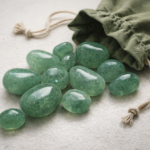

What Is an Aventurine Crystal? Aventurine is a variety of
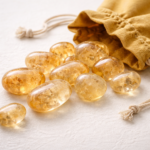
What is Citrine Crystal? Citrine is a popular yellow to
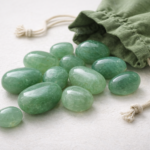
What is Green Jade Crystal? Green Jade, one of the
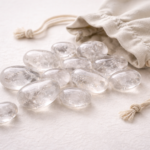
What is Clear Quartz Crystal? Clear Quartz is a master
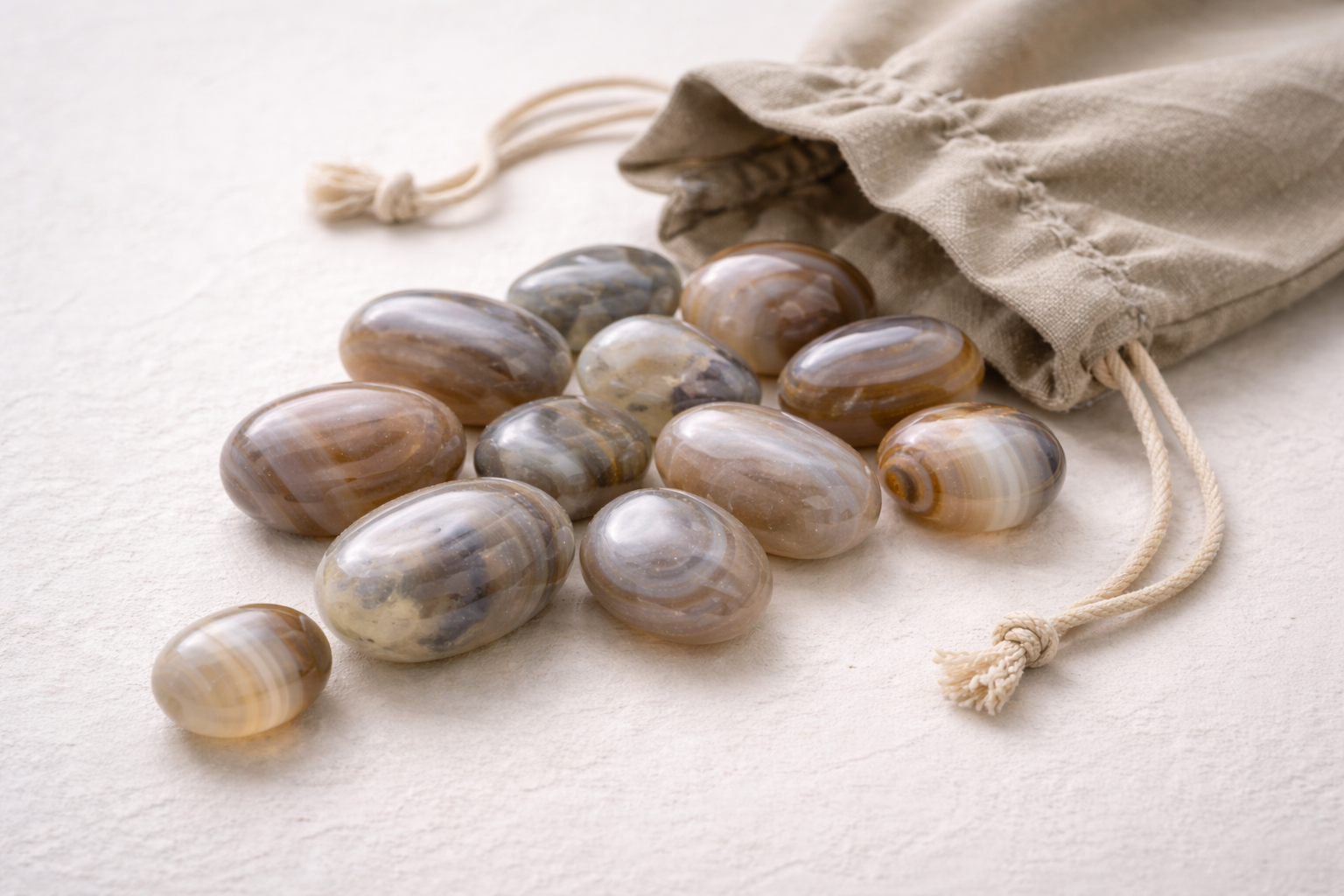
Agate is a distinctly banded, microcrystalline variety of quartz (chalcedony) celebrated for its stunning, layered patterns and vast spectrum of colors, which are created by mineral impurities over millennia. Renowned for its grounding and stabilizing properties, agate is considered a stone of harmony and protection in metaphysical traditions, believed to balance physical, emotional, and intellectual energies while fostering a sense of security and inner stability. Historically, it has been used since ancient times for amulets, seals, and ornamental objects due to its durability and beauty; the ancient Egyptians, Greeks, and Romans all valued it for protection and oracular purposes. With numerous varieties—such as Blue Lace Agate, Moss Agate, and Fire Agate—each type carries its own unique aesthetic and symbolic resonance, making agate one of the most versatile and widely cherished crystals for both its geological artistry and its perceived gentle, strengthening influence on the wearer.
Agate appears in a mesmerizing array of types, each defined by its unique inclusions, banding patterns, and colors, making it one of the most diverse crystal families. Blue Lace Agate, with its soft, sky-blue and white bands, is celebrated for its calming and communicative energy. Moss Agate, which contains green mineral inclusions resembling foliage, is cherished as a stone of abundance and connection to nature. Fire Agate displays an iridescent, fiery play of colors caused by limonite inclusions and is valued for its protective and vibrant vitality. Botswana Agate features delicate, often concentric bands in shades of peach, gray, and pink, and is known for its soothing support during transitions. Other notable varieties include Dendritic Agate (with tree- or fern-like manganese inclusions symbolizing growth), Crazy Lace Agate (with chaotic, jubilant bands associated with joy), and Plume Agate (containing feather-like mineral formations). Each variety carries its own specific beauty and metaphysical nuance, offering a unique energetic signature within agate’s overarching themes of stability, harmony, and grounding.
Agate is a gentle yet powerful stone for emotional healing, renowned for its stabilizing and harmonizing influence on the mind and heart. Its layered, banded structure is believed to work slowly and methodically to soothe emotional turmoil, dissolve inner tension, and bring fragmented feelings into balance. By providing a strong sense of security and grounding, agate helps ease anxieties, soften feelings of anger or resentment, and bolster self-confidence and emotional resilience. Specific varieties offer nuanced support; for instance, Blue Lace Agate calms overthinking and encourages compassionate communication, while Moss Agate nurtures emotional growth and releases feelings of scarcity. Overall, agate acts as a steadying companion, promoting emotional maturity, self-acceptance, and a deep, enduring sense of inner peace by helping one process life’s challenges with greater clarity and calm.
In crystal healing traditions, Agate is highly regarded for its gentle, stabilizing influence on the physical body, believed to work in harmony with its wearer’s natural energy to promote overall wellness and endurance. Often associated with grounding and fortifying, it is thought to support the immune system, improve physical stamina, and aid in the body’s natural detoxification processes by enhancing lymphatic function. Specific varieties are linked to particular areas: for instance, Moss Agate is traditionally connected to the health of the circulatory and immune systems, while Blue Lace Agate is associated with soothing inflammation and supporting the throat and respiratory pathways. Although not a substitute for medical care, agate is cherished as a nurturing stone that encourages physical balance, helps the body adapt to environmental stresses, and is often used to promote restful sleep, soothe skin conditions, and strengthen the skeletal structure through its perceived steady, harmonizing vibration.
Using Agate Crystal effectively revolves around its grounding, stabilizing, and harmonizing properties. Due to its gentle yet persistent energy, it is ideal for daily wear or placement in personal spaces to maintain a balanced atmosphere. Wearing agate as jewelry—such as a bracelet, pendant, or ring—allows its soothing vibration to work continuously on the emotional and physical body, promoting calm and resilience. Placing an agate geode or slab in the home or office is believed to absorb negative energy and foster environmental harmony. For targeted intentions, specific agate types are chosen: Blue Lace Agate may be held during conversations to encourage clear communication, while Moss Agate can be placed in a garden or carried to connect with nature’s abundance. Agate is also commonly used in meditation to root the mind and body, or as a comforting palm stone during stressful moments. Its durability and variety make it a versatile and accessible tool for both beginners and experienced practitioners seeking to invite stability, protection, and gentle healing into daily life.
The worth of Agate is a fascinating interplay of aesthetic beauty, geological rarity, and historical significance, rather than pure monetary luxury. While generally considered an affordable and accessible gemstone, its value can vary dramatically based on type, craftsmanship, and uniqueness. Common banded agates are modestly priced, making them popular for jewelry and carvings. However, exceptional specimens—such as fine Fire Agate with vibrant iridescence, rare Dendritic Agate with precise, scenic inclusions, or historic pieces like antique cameos—can command much higher prices among collectors. The true “worth” of agate, however, often transcends market value. For millennia, it has been cherished as a stone of protection, stability, and harmony, valued in spiritual practices for its grounding energy and in art for its captivating natural artistry. Whether as an affordable personal talisman or a museum-quality artifact, agate’s enduring worth lies in its ability to blend earthly wonder with gentle, enduring utility.
Agate boasts an ancient and storied history, with its use dating back over 3,500 years to the early civilizations of Mesopotamia and Egypt, where it was meticulously carved into seals, amulets, and ceremonial objects believed to offer divine protection and strength. The stone derives its name from the Achates River (now the Dirillo) in Sicily, where it was famously collected and admired by the ancient Greeks and Romans, who elevated its artistry into exquisite cameos, signet rings, and ornamental vessels, associating it with deities like Gaia and Artemis. Throughout the Middle Ages and Renaissance, agate continued to be prized for both its beauty and purported medicinal virtues, often incorporated into “apothecary jars” and royal insignia. Its geological diversity and durability have made it a perennial favorite across cultures—from Persian talismans to Native American ceremonial objects—cementing agate’s legacy not merely as a decorative stone, but as a historical canvas for human artistry, spiritual belief, and a timeless symbol of nature’s intricate beauty.
Copyright ©2025 All rights reserved by vaiikunthasouls.com