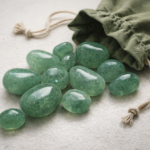

What Is an Aventurine Crystal? Aventurine is a variety of
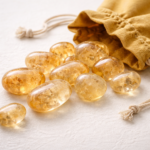
What is Citrine Crystal? Citrine is a popular yellow to
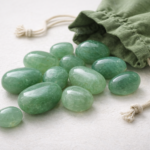
What is Green Jade Crystal? Green Jade, one of the
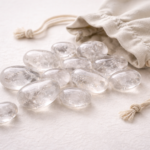
What is Clear Quartz Crystal? Clear Quartz is a master
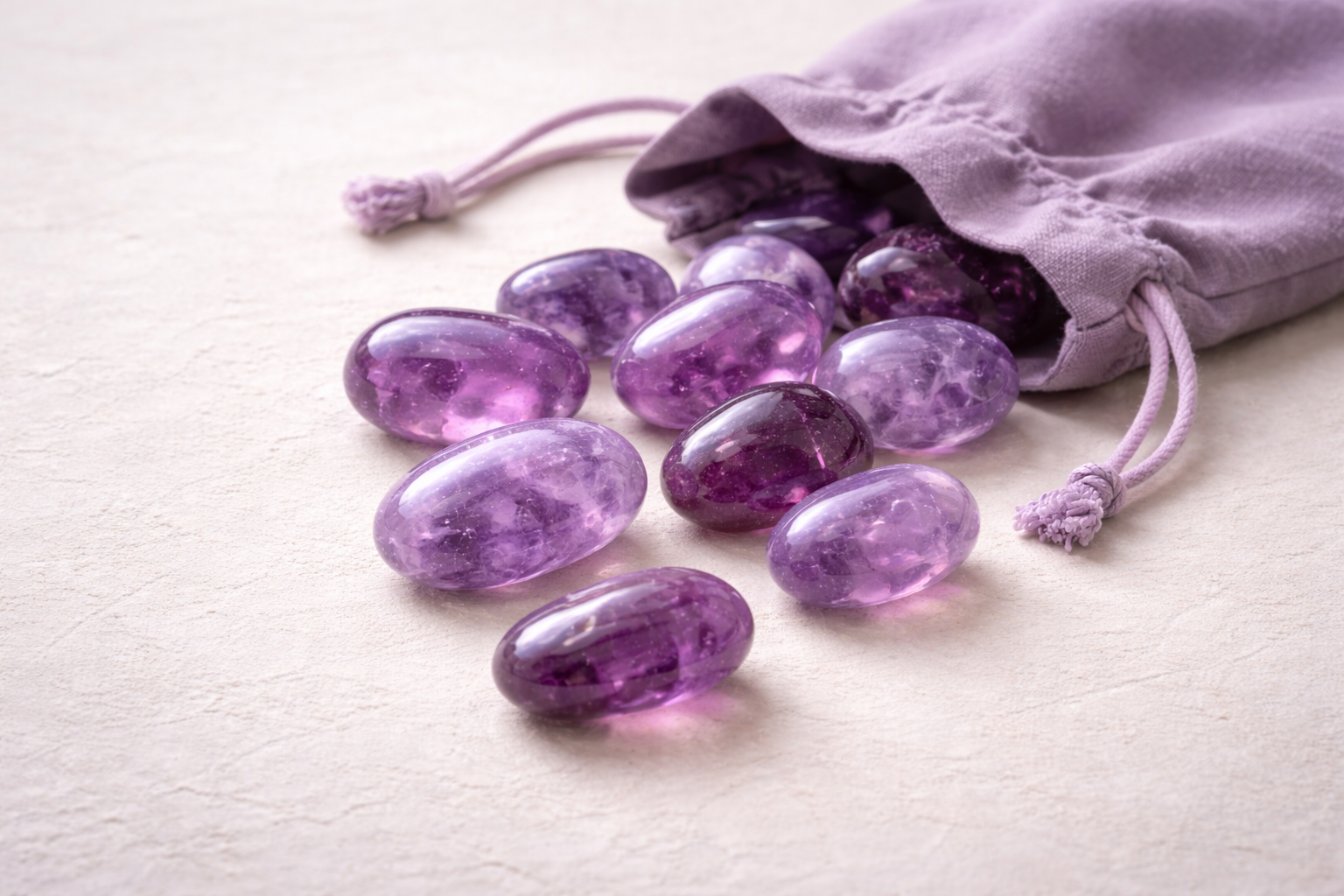
Amethyst is a captivating violet to purple variety of quartz, colored by trace amounts of iron and natural irradiation, and is one of the most beloved and historically significant gemstones in the world. Renowned as the “Stone of Sobriety and Peace,” it has been cherished since antiquity by civilizations like the ancient Greeks and Egyptians, who associated it with protection, clarity, and spiritual wisdom. In metaphysical traditions, amethyst is celebrated for its high vibrational energy that promotes emotional balance, purifies the aura, and enhances intuition and meditation. With a Mohs hardness of 7, it is durable enough for everyday jewelry, from raw clusters to faceted gems, and its stunning color range—from pale lilac to deep royal purple—ensures its enduring popularity both as a decorative object and a tool for spiritual and personal growth.
Amethyst has been revered since antiquity as a powerful Stone of Protection, believed to create a spiritual shield against negative energies, psychic attacks, and emotional harm. Ancient Greeks and Romans carved amethyst into amulets and drinking vessels, trusting it to ward off intoxication, deceit, and danger. Its high-vibrational purple light is said to purify and fortify the aura, forming a barrier that transmutes lower vibrations into calm, positive energy. By connecting to the crown and third-eye chakras, amethyst also promotes spiritual awareness and intuitive discernment, allowing one to sense and deflect harmful influences before they take root. Whether worn as jewelry, carried as a pocket stone, or placed in a home, amethyst serves as a timeless guardian—a crystal ally for those seeking safety, clarity, and spiritual sovereignty in a chaotic world.
In crystal healing traditions, Amethyst is believed to support physical wellness through its purifying and calming vibrational energy. It is often associated with bolstering the immune system and aiding the body’s natural detoxification processes, particularly by supporting the liver and reducing the effects of environmental toxins. Practitioners also connect its soothing frequency to relieving tension headaches, easing insomnia, and calming the nervous system to promote restful sleep and cellular regeneration. While not a substitute for medical treatment, amethyst is valued as a stone that may help reduce physical pain and inflammation, especially when related to stress or overexertion, by encouraging deep relaxation and energetic alignment throughout the body.
Using Amethyst Crystal effectively taps into its calming, protective, and spiritually elevating energies, making it a versatile tool for daily well-being. It is commonly worn as jewelry, such as a necklace or ring, to keep its soothing vibration close throughout the day, helping to reduce stress and promote mental clarity. Placing an amethyst cluster or geode in your home, bedroom, or workspace is believed to purify the environment, neutralize negative energies, and foster a peaceful atmosphere—ideal for meditation or restful sleep. During meditation, holding a tumbled stone or placing it on the forehead (third eye) can deepen intuition, quiet the mind, and enhance spiritual connection. Amethyst is also popular in crystal grids for healing or manifestation, often acting as a central stone to amplify intentions. To maintain its energy, cleanse the amethyst regularly under moonlight, with gentle smoke, or by placing it on a selenite plate, as prolonged sunlight may fade its vibrant color.
Amethyst boasts a storied history spanning millennia, deeply woven into mythology, royalty, and spirituality. Its name derives from the ancient Greek “amethystos,” meaning “not intoxicated,” as it was believed to ward off drunkenness and promote clear-headedness—a virtue cherished by Greeks and Romans who carved drinking vessels from it. Throughout history, it adorned the regalia of bishops, monarchs, and Egyptian pharaohs as a symbol of divine connection and power, often considered more valuable than diamonds before large deposits were discovered in the 19th century. Medieval soldiers wore amethyst amulets for protection in battle, while Renaissance artists saw its purple hue as a reflection of celestial piety. From Catholic rosaries to Tibetan prayer beads, amethyst has been a global touchstone for sobriety, spiritual wisdom, and transcendence, cementing its timeless legacy as a stone of both earthly nobility and heavenly contemplation.
Copyright ©2025 All rights reserved by vaiikunthasouls.com