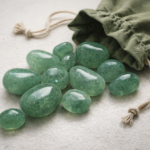

What Is an Aventurine Crystal? Aventurine is a variety of
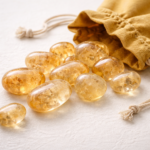
What is Citrine Crystal? Citrine is a popular yellow to
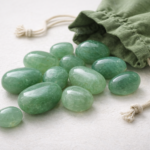
What is Green Jade Crystal? Green Jade, one of the
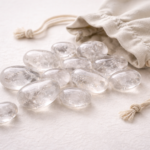
What is Clear Quartz Crystal? Clear Quartz is a master
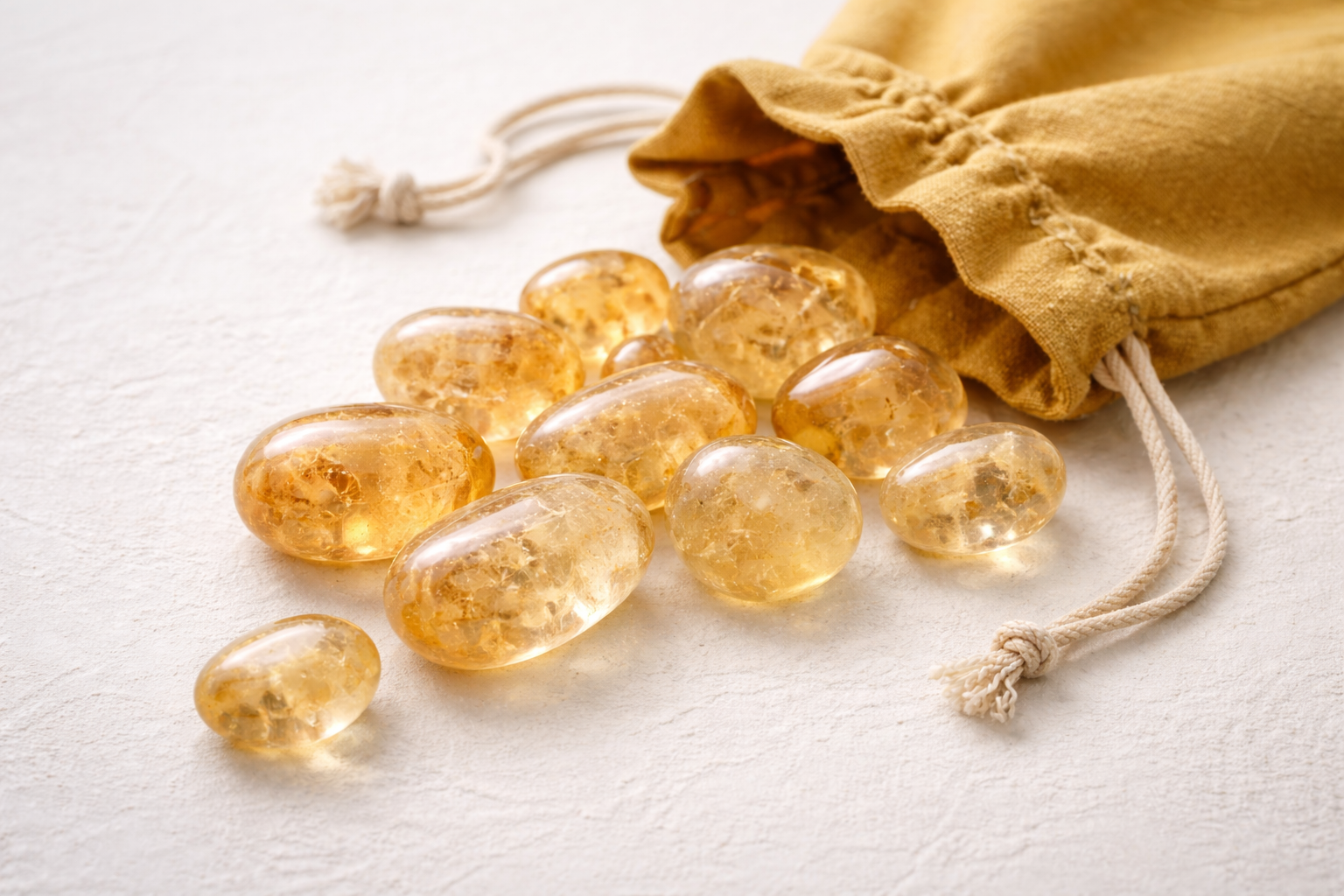
Citrine is a popular yellow to orange-brown variety of quartz, colored by trace amounts of iron. Known as the “Merchant’s Stone,” it’s widely associated in crystal healing traditions with attracting abundance, prosperity, and positive energy. Most citrine on the market is actually heat-treated amethyst, as natural citrine is relatively rare. With a hardness of 7, it’s durable and commonly used in jewelry and as decorative pieces for its sunny, vibrant appearance.
Citrine, celebrated as the quintessential “Stone of Success,” is revered for the vibrant golden energy that embodies the warmth and illumination of the sun itself. In metaphysical traditions, it is believed to be a powerful ally for manifesting personal and professional triumphs, as it resonates with the solar plexus chakra—the center of personal power, will, and confidence. This crystal is thought to attract not just material wealth, but also the drive, creativity, and optimistic mindset necessary to achieve one’s goals, making it a favored tool for entrepreneurs and artists alike. Its enduring popularity is rooted in the belief that it helps clear mental fog, overcome self-doubt, and transform negative energy into focused, positive action, effectively lighting the path to accomplishment and abundance. Whether worn as jewelry or kept in a workspace, citrine serves as a radiant, tangible reminder of one’s potential for success.
Citrine is a highly regarded crystal for emotional healing, celebrated for its bright, sunny energy that acts like a beacon for the heart and mind. Metaphysically, it is believed to be a powerful cleanser and regenerator, working to gently dissolve negative emotional patterns such as self-doubt, chronic worry, and lingering anger. Instead of simply absorbing these heavy vibrations, citrine is said to transmute them into positive, life-affirming energy, fostering a natural state of joy, optimism, and emotional resilience. By stimulating the solar plexus chakra, it is thought to empower individuals to release old emotional wounds and victim mentalities, replacing them with a profound sense of personal agency, self-confidence, and inner warmth. This makes citrine a cherished stone for those seeking to lift the shadows of past hurts, overcome feelings of scarcity, and embrace a lighter, more hopeful, and proactive emotional outlook on life.
In crystal healing traditions, citrine is often associated with supporting physical vitality and wellness through its energizing and purifying solar energy. It is primarily linked to the digestive system and metabolism, believed to aid in the body’s natural detoxification processes and help balance the spleen, pancreas, and digestive organs. Practitioners also connect citrine to the regulation of energy flow, suggesting it can help alleviate fatigue, boost stamina, and enhance circulation by stimulating the body’s vital life force. While these properties are deeply rooted in holistic and metaphysical belief systems, it is crucial to emphasize that citrine is not a substitute for medical science or professional healthcare, but is instead valued as a complementary tool for promoting an overall sense of energized well-being and supporting the body’s innate healing capacities.
Citrine is a versatile crystal most effectively used by placing it in environments or on the body to align with its sunny, energizing vibrations. For attracting success, a natural point or tumbled stone is often placed near a workspace, cash register, or in the wealth corner (southeast) of a home according to Feng Shui principles. Wearing it as jewelry—such as a ring or pendant—keeps its empowering energy close throughout the day, while meditating with a citrine palm stone is believed to help visualize goals and dissolve self-doubt. In everyday life, it can also be placed on a nightstand to encourage joyful dreams or carried as a pocket stone to serve as a personal touchstone for positivity and resilience. As it is said to never require cleansing, citrine remains a uniquely low-maintenance tool for those seeking to invite its warm, abundant frequency into their daily routine.
Citrine’s history is as rich and warm as its golden hue, stretching from ancient civilizations to modern metaphysical practices. Its name derives from the Old French “citrin,” meaning “yellow,” and ultimately the Latin “citrina,” linking it to the citrus fruit. While natural citrine has always been relatively rare, it has been cherished for millennia; the ancient Romans crafted it into intricate cabochon rings and intaglios, valuing it as a protective talisman against negative thoughts and snake venom. Throughout the Middle Ages and into the Victorian era, it was popularly used in jewelry and seal rings, often mistaken for the more expensive topaz and thus sometimes called “the poor man’s topaz.” Its modern association with prosperity and personal power solidified in the 20th century, largely through the growth of crystal healing traditions, which cemented its enduring reputation as the quintessential “Merchant’s Stone” of abundance and success.
Copyright ©2025 All rights reserved by vaiikunthasouls.com